Do Detox Teas and Juice Cleanses Really Flush Toxins Out of Your Body?
You have seen the ads. A reality star in athleisure holds up a flat-tummy tea on Instagram and promises it will “melt away toxins.” A glossy juice brand sells you a three-day cleanse in a chic cooler bag, vowing to “reset” your liver, clear your skin, and wash years of bad decisions out of your cells. Your coworker swears she lost six pounds on a weekend cleanse and has never felt more alive.
The pitch is almost poetic: modern life has poisoned you — the processed food, the pollution, the stress — and your body cannot cope without commercial help. For a price, these products promise to do what nature supposedly can’t: flush the toxins out.
It is a compelling story, and it has built a multibillion-dollar global industry. But stories are not evidence. The detox industry is built on one central claim — that special teas and juice regimens remove toxins from your body — and that claim can be checked against the two things that actually matter: the physiology of the human body, and the published research. When we did, the claim fell apart.
This is the story of what “toxins” really means, what your liver and kidneys are quietly doing right now without any help, what the clinical literature says about detox products, what is actually inside those teabags, and why the whole thing can end up doing more harm than good.
The claim, in plain words
Strip away the marketing language and the detox promise is remarkably specific: your body accumulates harmful toxins over time — from food, from the environment, from everyday living — and ordinary bodily functions cannot clear them fast enough. Therefore, the claim goes, you need an intervention: a juice cleanse that floods your system with produce-derived compounds, or a tea whose herbs supposedly target the liver and kidneys and “flush” the poisons out.
The promises come in many flavors. Some brands claim their products boost the liver’s detox power. Others claim to cleanse the colon of “impacted waste” or “mucoid plaque.” Still others frame the product as a metabolic reset — a few days of drinking nothing but cold-pressed juice will supposedly reboot your digestion, sharpen your thinking, clear your skin, and leave you lighter, cleaner, and more energized than before.
Notice the structure of the claim. It contains two assertions: first, that your body’s built-in detoxification is insufficient; and second, that a commercial product improves on it. Both assertions are testable. And both fail the test.
First, the word nobody defines: “toxins”
Before you can evaluate a claim about removing toxins, you have to ask the most basic question: toxins — what toxins, exactly? In what amounts? Measured how?
This is where the detox industry’s language starts to wobble. In medicine, the word “detox” has a precise meaning: the removal of harmful substances from the body under controlled clinical conditions, particularly in the context of substance dependence or poisoning. A hospital “detox” is a real, supervised medical process with defined targets — alcohol, opioids, specific poisons — and measurable outcomes.
Outside that medical context, the wellness industry has stretched the word to cover an enormous range of products and practices that claim to rid the body of vague, unspecified toxins. The marketing almost never names the specific substances being removed, the concentrations involved, or how removal was measured. That is not an accident. It is because no such measurements exist in the published literature. As one recent review of the cleanse industry put it, when you ask the simple question — which toxins, at what dose, verified by what test — the evidence trail goes cold.
This vagueness is not just a semantic quibble; it is the foundation of the whole enterprise. A claim that cannot name its target cannot be verified, and a product that cannot be verified cannot be shown to work. The “toxins” in detox marketing function less like a scientific term and more like a rhetorical device — a menacing, formless enemy that only the product can defeat.
To be fair, the human body does encounter genuine toxins: heavy metals, pesticides, alcohol, medication byproducts, and the natural waste products of metabolism itself. The question is not whether toxins exist. The question is whether your body is already equipped to handle them — and the answer, from physiology, is a resounding yes.
Your body already runs a 24-hour detox department
Here is the part the cleanse brochures skip: you were born with a detoxification system, and it runs around the clock without a subscription fee, an app, or a teabag.
The liver is the centerpiece. This organ — the largest internal organ you own — processes potentially harmful compounds, alcohol, medication byproducts, and the natural waste products of metabolism through a two-stage enzyme system. The technical name for this is Phase I and Phase II detoxification: in essence, the liver’s enzymes convert fat-soluble substances into water-soluble ones that the body can excrete. It is biochemistry of extraordinary sophistication, and it operates continuously whether you are drinking kale juice or eating a cheeseburger.
Then come the kidneys. These two fist-sized organs filter roughly 150 quarts of blood every single day, pulling out waste and sending it to the bladder as one to two quarts of urine. Your lungs exhale volatile compounds with every breath. Your gut lining and your skin shed and renew themselves constantly, carrying waste out with the old cells. Your immune system patrols for pathogens. Even your gut has a built-in emergency response: as one clinician quoted in recent health reporting put it, “The gut also has a defence system, such as causing us to have an upset stomach to get rid of any toxins that have made it that far.”
Nothing in a bottle of celery-apple-ginger juice accelerates any of this. There is no known nutrient in juice that makes liver enzymes work faster or kidneys filter harder. And the evidence reviews agree: the NIH’s review of detox and cleanse programs concluded plainly that there is no convincing evidence they remove toxins from the body or improve health.
Here is the useful test to carry with you: when a person’s detox organs genuinely fail — in advanced liver or kidney disease — the treatment is medical care, not produce. People with liver failure develop symptoms that require urgent hospitalization, not a special juice cleanse. If your liver and kidneys are healthy, they are already doing the job. If they are not, juice cannot do it for them.

What the clinical evidence actually shows
If the detox industry’s claims were real, we would expect decades of research to have confirmed them. Instead, the literature is a study in absence.
The U.S. National Center for Complementary and Integrative Health (NCCIH) — part of the National Institutes of Health — has reviewed the field and reports that research on detoxification programs in people is limited and often of low quality. A 2015 systematic review found no compelling research supporting detox diets either for weight management or for eliminating toxins. A 2017 review confirmed that any initial weight loss from juice cleanses or detox programs tends to come from calorie restriction and fluid loss — not from actual “detoxification” — and that the weight typically returns once normal eating resumes.
Harvard Health has echoed the same conclusion, noting that searching the medical literature for “detox diets” yields almost no relevant, high-quality evidence of health benefits. An earlier 2014 review of the evidence likewise found no compelling clinical evidence supporting the use of detox diets for weight management or toxin elimination. And the reviews keep converging: a 2022 study in the journal Frontiers classified most cleanses as fad diets — programs that cut out food groups, fail to provide adequate nutrition, and promote short-term changes that are difficult to maintain.
The Academy of Nutrition and Dietetics — the world’s largest organization of nutrition and dietetics practitioners — does not recommend cleanses at all. The reason, as board-certified nutritionist and Academy spokesperson Melissa Prest explained to National Geographic, is that the body already has its own highly effective process for getting rid of toxins, mainly through the liver, kidneys, and digestive system. As a vivid example of that efficiency, Prest noted that the human body can metabolize alcohol — an actual toxin — in as little as a day, depending on how much was consumed.
This is the central scientific verdict, and it is worth stating plainly: there is no strong evidence that supports the theory that a detox or cleanse diet actually removes toxins from the body. Not weak evidence. Not disputed evidence. The reviews consistently find the evidence cupboard bare.
The juice cleanse, examined
So what is actually happening during those expensive days of drinking nothing but cold-pressed juice? The answer is mundane: you are consuming far fewer calories than usual, and you are losing water.
A juice cleanse typically involves days of fruit and vegetable juice and little else — an extremely low-calorie, low-protein, low-fat regimen. Any weight lost on such a regimen is almost certainly water weight and reduced food volume, not fat loss, and understanding that distinction matters. A 2017 study found that juicing and detoxification diets can promote short-term weight loss due to extremely low calorie intake, but the weight was often regained once a normal diet was resumed. In short: the scale moves, the toxins do not.
One of the most famous examples is the Master Cleanse, a strict ten-day plan that involves drinking salt water, laxative teas, and a lemonade-like mixture while eating far below the recommended daily calorie intake — a regimen once popularized by celebrities. According to Harvard Medical School, the temporary weight loss it produces is a result of fluid loss related to extremely low carbohydrate intake, combined with the frequent bowel movements and diarrhea produced by the salt water and laxative tea. The weight comes back quickly. The diet lacks the essential nutrients the body needs to function optimally — and your natural detox mechanisms need energy to do their work — while the daily laxative regimen can cause dehydration, depleted electrolytes, and bowel problems. Done repeatedly, the risks turn serious: some people develop metabolic acidosis, which can in some cases lead to coma and death.
Even the gentler-sounding versions rest on shaky science. Take the “lemon water detox,” which has become a staple for the cleanse-conscious. One study often cited as its scientific basis monitored fewer than a hundred participants for only eleven days — and, as Melinda Ring, an integrative and internal medicine specialist at Northwestern Medicine and director of the Osher Center for Integrative Health at Northwestern University, pointed out, “Most of the positive changes were also observed among subjects on a similarly calorie-restricted diet without the same lemon juice mixture.” In other words, whatever benefit the study detected came from eating less, not from the lemon.
There is also a biological irony here. The severe calorie restriction of many cleanses can actually deprive the liver of the protein and nutrients it needs for optimal function — particularly the amino acids required for Phase II detoxification pathways. The organ you are supposedly “supporting” is, in effect, being starved of the raw materials it needs to do its job.
Detox teas: mostly expensive laxatives in a pretty bag
If juice cleanses work through starvation and fluid loss, detox teas work through something even less glamorous: the bathroom.
Most “detox” teas are blends of herbal ingredients, and many of them include senna — a popular herbal laxative — along with relatives like cascara sagrada, and often stimulants such as caffeine or guarana. Senna is approved by the U.S. Food and Drug Administration as an over-the-counter laxative for occasional use, and at recommended doses it is not considered harmful. But the NIH cautions against using it for more than fourteen days, and notes that there is insufficient evidence for its effectiveness in promoting weight loss.
What senna does is make you go. The “flat tummy” that detox tea drinkers photograph the morning after is not a sign of toxins leaving the body; it is the predictable result of a stimulant laxative doing its job — water loss and an emptied bowel, producing temporary abdominal flattening. As one dietitian quoted in recent health reporting put it, “This does not facilitate increased fat burning, just temporary decreased weight due to loss of body waste and water weight.”
Does any of this enhance the liver or kidneys? No. As clinical explainers of the physiology put it, detox teas do not enhance the function of your body’s primary detoxification organs. The liver processes toxins through complex enzymatic pathways, making them water-soluble so they can be excreted via bile or urine, and the kidneys continuously filter blood to remove waste. The concept of a tea “flushing” these systems is a physiological misconception. Dietitian Ms. Taylor, quoted in reporting on tea-health myths, put it directly: “Your organs — kidneys, liver and GI tract — as well as your immune system comprise your body’s own natural detoxification center; research fails to prove any added benefits from detox teas.”
Worse, chronic stimulant-laxative use can damage the very machinery it abuses. Chronic use disrupts colonic motility: a 2021 study in the journal Gastroenterology found that individuals using senna-based teas for twelve weeks or more developed measurable reductions in colonic nerve density and delayed transit time — leading to long-term constipation once the product was discontinued. The colon can, in effect, forget how to work on its own, a condition sometimes called “cathartic colon.” Water loss plus electrolyte shifts can also cause low potassium, bringing muscle cramps, fatigue, and — in severe cases — cardiac rhythm problems.
The risks nobody puts on the label
The most damning finding is not that detox products fail to work — it is that they can actively cause harm, including to the very organs they claim to help.
Senna is not considered harmful at recommended doses, but it can cause serious liver injury when used in high doses for longer than recommended. And senna is only one ingredient. Compounds in green tea extract — a common detox-tea ingredient — have been linked to rare cases of hepatotoxicity at very high concentrations. FDA adverse event reports have documented cases of elevated liver enzymes and drug-induced liver injury linked to detox-tea ingredients including senna, cascara, and green tea extracts. Reviews of the FDA’s adverse-event database list the pattern: severe diarrhea and dehydration at high frequency, elevated liver enzymes at moderate but significant frequency, and cardiac palpitations — often traced to guarana or other natural stimulants — also appearing regularly. The mechanism of liver injury is often unpredictable, and the risk climbs with prolonged use, excessive dosage, or pre-existing liver conditions. It is a misconception that “natural” equals safe: the liver is the primary site for metabolizing these bioactive compounds, which makes it vulnerable to injury from unregulated herbal blends.
The danger is not limited to teas. A 2019 study found that colon cleanses were associated with twice the risk of severe medical outcomes compared with vitamins. Some herbal detox blends have been found to contain undisclosed pharmaceutical adulterants or excessive concentrations of bioactive compounds, and certain blends can interact with medications — reducing the efficacy of blood thinners or diabetes drugs, for example. There is also the simple mechanical danger: severe calorie restriction and laxative abuse can produce dehydration, electrolyte depletion, and the metabolic acidosis described earlier, which can in some cases progress to coma and death.
Certain groups should be especially wary. People with diabetes, kidney disease, gastrointestinal disease, or heart disease, as well as those who are pregnant or nursing, or the very young and the very old, should consult a physician before attempting any cleanse regimen. The American Academy of Pediatrics recommends that adolescents avoid laxative-based detox products completely — research has shown that girls and young women who begin using laxatives like those found in detox teas for weight loss are at higher risk of developing eating disorders.
Celebrities, six-figure posts, and the push for an FTC crackdown
If the products do not work and can cause harm, how did they get so big? The answer is marketing — specifically, celebrity marketing operating in a regulatory gray zone.
Detox teas became a fixture of social media in the 2010s, promoted by reality stars and influencers promising flat stomachs and glowing skin. According to then-U.S. Senator Richard Blumenthal, who publicly pushed for a federal investigation, celebrities could earn six-figure sums for a single social media post promoting a detox tea — frequently without any expectation that these celebrities personally used the teas or exposed themselves to the products’ associated dangers, in what he characterized as a violation of the FTC’s Endorsement Guidelines.
Blumenthal argued that the potential dangers of the teas come from the senna leaves and seeds in the ingredients, and urged the Federal Trade Commission to investigate the companies selling detox products “and take appropriate enforcement action to protect unwitting consumers from harm.” He also highlighted actress and activist Jameela Jamil, who has been one of the most vocal critics of celebrity detox-tea endorsements. Jamil has described her own history with these products in stark terms: “I was the teenager who starved herself for years, who spent all her money on miracle cures and laxatives… I was sick, I have had digestion and metabolism problems for life.”
Regulators have not been entirely silent. The FDA and FTC have taken enforcement action against companies selling detox products that contained hidden ingredients or made false health claims. The pattern of intervention suggests that the industry’s problem is not just bad science but bad faith: products that promise medical-grade cleansing while relying on laxatives, stimulants, and undisclosed compounds.

Why it feels like it works
And yet — many people genuinely feel better after a cleanse. More energy, clearer thinking, less bloating. If the science says the products do nothing, why the glowing testimonials? The explanation is not mysterious, and it is actually the most instructive part of the story.
As Academy of Nutrition and Dietetics spokesperson Melissa Prest told National Geographic: “If someone who maybe has been eating a lot of refined food, not a lot of fiber, minimal fruits and vegetables, and now they’re replacing those foods, even in smaller amounts, with nutrient-dense foods, of course they’re going to feel better.”
Read that again, because it unlocks the whole phenomenon. A person who spends a week drinking vegetable juice instead of eating fast food, drinking alcohol, and skipping sleep is not benefiting from “detoxification.” They are benefiting from a week of fewer processed foods, less alcohol, more hydration, and more attention to what they consume. The cleanse gets the credit; the behavior change did the work.
Add in the placebo effect, the ritual satisfaction of a structured program, the temporary lightness of an emptied digestive tract, and the powerful desire to feel in control — and you have a perfect machine for generating sincere testimonials from a product with no physiological mechanism. The psychology is real. The detoxification is not.
What actually supports your detox organs
Here is the irony: there are genuine, evidence-backed ways to support your liver, kidneys, and digestive system. They just cannot be sold in a teabag.
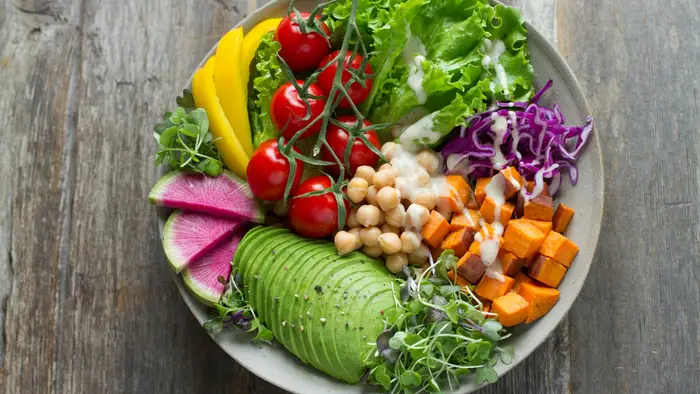
Dietitians recommend the unglamorous basics. Eat plenty of fiber — at least 25 to 35 grams per day — to support regular bowel movements. Drink plenty of fluid — at least 64 to 80 ounces per day — because adequate hydration supports normal kidney and liver function (though forcing excessive water does not make the body “cleaner,” and extreme overhydration can be dangerous). Eat five to nine handfuls of fruits and vegetables each day, especially cruciferous vegetables such as broccoli, bok choy, and cabbage, and vividly colored produce such as berries and green leafy vegetables — these provide the antioxidants and enzyme-supporting compounds, like the sulforaphane in cruciferous vegetables that supports the liver’s protective Phase II enzyme activity, that your natural detoxification systems actually use. Exercise regularly, since the body flushes waste via sweat as well as urine and bowel movements. Prioritize sleep — the brain’s waste-clearance pathway, the glymphatic system, is most active during deep sleep. And limit the things that genuinely burden the liver: excess alcohol, highly processed foods, and unnecessary medications.
As one clinical summary puts it, the best way to “support” the liver and kidneys is a healthy lifestyle, not a product: there is no clinical evidence that any commercial detox tea removes accumulated toxins more effectively than the body’s own innate systems when properly nourished and hydrated. Think of it as supporting, not overriding. Your liver does not need a break; it needs consistent, balanced fuel.

The Verdict
Verdict: False.
The claim that detox teas and juice cleanses remove toxins from your body is false. The human body already possesses a continuous, highly efficient detoxification system — the liver’s two-stage enzyme processing, the kidneys’ filtration of roughly 150 quarts of blood per day, plus the lungs, gut, skin, and immune system — and there is no convincing evidence that any commercial tea or juice regimen improves on it. The NIH’s own review found no convincing evidence that detox and cleanse programs remove toxins or improve health, and systematic reviews from 2014, 2015, and 2017 consistently found no compelling research supporting detox diets for toxin elimination or weight management.
What these products actually deliver is well documented and has nothing to do with toxins: juice cleanses deliver severe calorie restriction and fluid loss, with the weight regained once normal eating resumes; detox teas deliver stimulant laxatives — mainly senna — that empty the bowel and produce temporary water loss marketed as a “flat tummy.” And the ledger has a cost column too: liver injury from high-dose or prolonged herbal ingredients, electrolyte depletion, dehydration, drug interactions, colonic nerve damage from chronic laxative use, and — in extreme cases — metabolic acidosis that can lead to coma and death.
The one true thing the detox industry sells is a feeling, and even that feeling is borrowed: people feel better on cleanses because they temporarily eat better, drink more water, and skip the alcohol — the same benefits available, free of charge, from the habits themselves.
Your liver never asked for the help. It does not need a teabag, a juice bottle, or a celebrity’s endorsement. It needs water, fiber, sleep, and for you to stop paying companies to interfere with it. The toxins were never the problem. The product was.