Do Antibiotics Cure Colds and Flu? The Prescription for a Myth That Won't Die
Picture the scene: you wake up with a throat that feels like sandpaper, a nose that won’t stop running, and a fever that makes the ceiling fan feel arctic. You call your clinic, and the receptionist fits you in. Twenty minutes later, a clinician listens to your chest, peers into your throat, and says the words every sniffling patient dreads: it’s a virus — there’s nothing to prescribe, just rest and fluids.
And so you push back. You’ve had this before. You know how it goes: a Z-pack, three days, you’re back at work. Your neighbor got antibiotics for exactly these symptoms last winter. “Just in case,” you suggest. “What if it turns into something worse?”
This conversation happens in doctors’ offices, urgent-care centers, and telehealth video calls thousands of times a day. And often, the doctor gives in. Behind it sits one of the most durable health myths in modern medicine: that antibiotics cure colds and the flu. The patient believes the pill works. The doctor, pressed for time, may decide a prescription is easier than an argument. The pharmacy dispenses another course of drugs that cannot do what the patient expects them to do — and the larger cost shows up years later, in hospitals treating infections that no longer answer to the drugs that once cured them.
We decided to trace this claim to its roots: the biology of what antibiotics actually attack, the clinical trials that tested them against the common cold, the staggering volume of unnecessary prescriptions still written each year, and the global death toll from the resistance those prescriptions helped breed. The conclusion is one that every major health authority in the world agrees on. But the myth persists anyway — and the reasons it does are worth understanding, because they reveal something important about how medicine actually works when you are the sick person in the room.

The Claim
In its boldest form, the claim is simple: got a cold or the flu? Take antibiotics and you’ll get better faster. Many versions soften it just slightly — antibiotics won’t hurt, they might prevent the cold from turning into something serious, they worked last time, the green mucus means it’s bacterial now. These variants all rest on the same underlying belief: that antibiotics are a general-purpose infection drug, useful against whatever is making you miserable.
The belief has an origin story that makes it understandable. When antibiotics entered medicine in the 1940s and 1950s, they were genuinely miraculous — they protected patients against life-threatening illnesses like pneumonia, severe skin infections, and diarrheal disease, and they transformed surgery from a gamble into a routine procedure. A generation of doctors and patients learned, in an era before diagnostic testing was fast or precise, that a course of penicillin seemed to help almost everything. The Australian government’s health department, debunking the claim in a 2025 explainer, noted that most people with viral respiratory infections recover within 7 to 10 days without treatment — a natural course that, in the antibiotic era, was easy to mistake for the drug doing its job. Get better on day eight of a Z-pack, and it sure feels like the pills worked.
But here is the central problem: colds and flu are not bacterial infections. They never were. The drugs were never aimed at the thing causing the illness.
What Antibiotics Actually Do
Antibiotics are medicines that target bacteria — and only bacteria. They work by interfering with biological machinery that bacteria possess and human cells do not: they punch holes in bacterial cell walls, scramble the ribosomes bacteria use to build proteins, or tangle up the enzymes bacteria need to copy their DNA. That is why antibiotics can be taken in doses that kill the invader without killing the patient. The selectivity is the entire genius of the drug class.
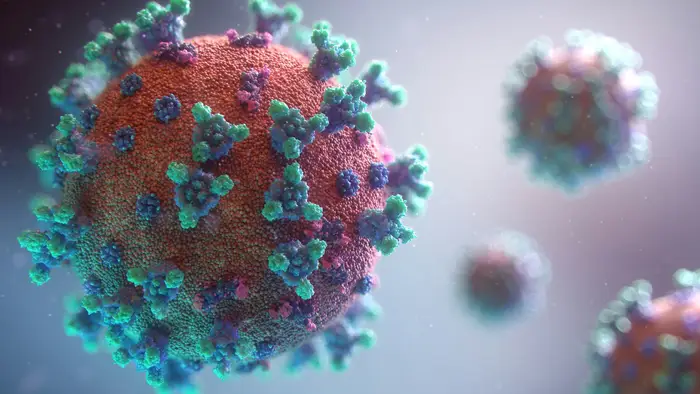
Viruses are a different kind of entity altogether, and they sit outside every one of those targets. A virus is not a cell. It has no cell wall to puncture, no ribosomes to scramble, no independent machinery to jam. It is essentially a parcel of genetic instructions wrapped in a protein shell, and it does its damage by slipping inside human cells and commandeering the patient’s own ribosomes and enzymes — the same machinery antibiotics are designed to leave alone. A drug built to attack bacterial cell walls has nothing to grab onto in a virus. It is, as one popular explainer put it, the wrong arena entirely.
This is why health authorities state the point in such absolute terms. The U.S. National Library of Medicine’s MedlinePlus encyclopedia puts it bluntly: “Antibiotics DO NOT cure colds and flus.” The entry continues, in capital letters, that antibiotics “WILL NOT make you better” if you have a viral infection. The American Academy of Family Physicians is equally direct: antibiotics only work against infections caused by bacteria; they don’t work at all against infections caused by viruses; and “viruses cause the flu, colds, and most coughs and sore throats.”
So the claim fails at the most basic biological level. But belief does not die at the level of biology — it dies, if at all, at the level of clinical evidence. And the evidence here is unusually rich, because researchers have been testing antibiotics against colds for decades.
What Actually Causes Colds and Flu
Before the trials, a word about the opponents. The “common cold” is not one disease but a clinical syndrome — a sore throat, a blocked or runny nose, a cough, sometimes a low fever — that can be triggered by more than 200 different viruses. The most common culprits are rhinoviruses, the ones behind the seasonal sniffles, with coronaviruses (the ordinary, pre-pandemic kind), adenoviruses, and others filling out the roster. Influenza is caused by influenza viruses, mainly types A and B, which are more severe, more likely to knock you flat, and responsible for annual epidemics that sicken millions of people and kill tens of thousands in the United States alone in a typical season.
None of them is a bacterium. Which means none of them is touched by antibiotics, for the reasons above.
This matters because of one of the claim’s most persuasive sub-variants: the green-mucus theory. Lots of people were taught — sometimes by their doctors — that when nasal discharge turns yellow or green, the cold has “gone bacterial” and antibiotics are now justified. The color, though, comes mostly from white blood cells rushing to the site of infection and releasing enzymes as part of the immune response, not from bacteria. Researchers at the Cochrane Collaboration specifically examined trials of antibiotics for acute purulent rhinitis — the medical term for a cold with colored discharge — and found no benefit. The color of your mucus is a terrible diagnostic test, and millions of prescriptions have been written on its authority.
What the Clinical Trials Found
If you want to know whether a drug works, you run the experiment: give some sick people the drug, give others a lookalike pill with nothing in it, and compare who recovers faster. For antibiotics versus the common cold, that experiment has been run repeatedly — and the results have been consistent for more than half a century.
The most authoritative synthesis comes from the Cochrane Collaboration, the international research network whose systematic reviews are considered the gold standard of evidence-based medicine. In 2025, researchers Kenealy and Arroll published the latest update of their long-running Cochrane review, “Antibiotics for the common cold and acute purulent rhinitis,” combining six randomized trials of the common cold (1,147 participants) and five trials of acute purulent rhinitis (791 participants). Their conclusion is unambiguous: “There is no evidence of benefit from antibiotics for the common cold or for persisting acute purulent rhinitis in children or adults.” They also found that antibiotics caused significant adverse effects — including a 46 percent increase in adverse events among the rhinitis trials — and concluded that “routine use of antibiotics for these conditions is not recommended.”
The German Institute for Quality and Efficiency in Health Care, which translates trial evidence for the public through its InformedHealth.org portal, summarizes the state of the research in plain language: “It doesn’t make sense to use antibiotics in the treatment of simple common colds: They don’t relieve symptoms like a stuffy nose and sore throat or make the cold go away any faster, but they often cause various side effects.” The institute notes that its summary draws on eleven trials involving nearly 2,000 otherwise healthy adults, teenagers, and children, and that simple colds “almost always go away on their own within about two weeks, and often start to get better after just a few days.”
Notice what the trials refute. Not only do antibiotics fail to cure the cold — they do not shorten it, do not ease its symptoms, and do not keep it from spreading to others. The Illinois Department of Public Health’s “Get Smart” campaign spells this out for patients: taking antibiotics for viral infections “will not cure the infections, keep other individuals from catching the illness, or help a person feel better.” Every dimension of the hoped-for benefit has been tested. None of them materialized.
One point of fairness, and it is an important one: none of this means antibiotics never belong in the neighborhood of a cold or flu. Sometimes a viral infection opens the door to a genuinely bacterial one — a sinus infection that persists beyond ten days with worsening symptoms, strep throat confirmed by testing, or pneumonia developing after influenza. In those cases, antibiotics are the right drug, prescribed for the right target. The distinction is between treating a confirmed or highly suspected bacterial complication and treating the viral illness itself. The myth collapses the two into one. Good medicine keeps them separate.
Why Doctors Still Prescribe Them
Here is the puzzle. If the biology is this clear and the trials this consistent, why do antibiotics keep getting prescribed for colds and flu? The answer is not that doctors don’t know. The answer is a tangle of human factors that every clinician who has ever worked a busy winter clinic will recognize.
The numbers are striking. A landmark analysis published in the Journal of the American Medical Association in 2016, led by CDC researchers in collaboration with the Pew Charitable Trusts, examined a decade of national survey data from doctors’ offices and emergency departments. It found that of an estimated 154 million antibiotic prescriptions written each year in U.S. outpatient settings, about 47 million — nearly a third — were unnecessary. About 44 percent of all those prescriptions were written for acute respiratory conditions, from sinus infections to the common cold, and roughly half of those were unneeded. More recent CDC estimates keep the figure at “at least 28 percent” of outpatient antibiotics being unnecessary, and respiratory conditions remain the largest single driver of the overuse.
Why? The Illinois Department of Public Health names the three reasons most often cited by doctors themselves: diagnostic uncertainty, time pressure, and patient demand. Consider each for a moment. In a ten-minute visit with no rapid test result in hand, distinguishing a viral cold from an early bacterial sinus infection can genuinely be difficult — and the doctor knows that if they guess wrong and the patient worsens, the consequences land on them. Time pressure makes the longer conversation — the one that explains viruses, sets expectations, and coaches the patient through a week of misery — a luxury the schedule doesn’t allow. And then there is the patient in the chair, explicitly asking for antibiotics, whose satisfaction scores may affect the doctor’s standing. Saying no takes longer than saying yes. The prescription becomes the path of least resistance.
There is also a subtler force: the patient’s own experience, which feels like evidence. As Australia’s health department notes, most viral respiratory infections resolve on their own within 7 to 10 days. Antibiotics prescribed on day five of a cold get “credit” for a recovery the immune system was going to deliver on day eight anyway. This is not patients being foolish — it is human pattern-matching working exactly as designed, drawing the wrong conclusion from genuine personal experience. The trial data exist precisely because personal experience is such an unreliable guide.
The Harm to the Patient Taking Them
The myth’s defenders usually retreat to a fallback position: even if antibiotics don’t help a cold, they don’t hurt, so what is the harm in taking them “just in case”? The harm, it turns out, is well documented.
Antibiotics are not inert. MedlinePlus warns that overuse can kill the normal, healthy bacteria that live in the body — the gut microbiome — causing nausea and diarrhea and, in women, vaginal yeast infections. They put patients at risk of allergic reactions, which range from rashes to anaphylaxis. One family physician quoted in a Baptist Health explainer noted that reactions from antibiotics cause one out of five medication-related emergency room visits, and that in children, antibiotics are the most common cause of medication-related ER visits. She added a warning about Clostridioides difficile, the gut bacterium that can bloom when antibiotics wipe out its competitors and cause potentially deadly diarrhea — the same risk flagged in the CDC’s landmark 2016 JAMA study of unnecessary prescribing.
The Cochrane reviewers found the side-effect signal inside the trials themselves: adults given antibiotics for a cold suffered significantly more adverse effects than those given placebo, and the rhinitis trials showed a 46 percent relative increase. These are not theoretical harms. They are harms measured in randomized experiments, in people who had colds, took antibiotics, and were worse off for it.
And then there is the most obvious harm of all: delay. A patient who believes the antibiotic will handle their flu may never ask about the treatment that can actually help — antiviral drugs. The CDC recommends four antivirals for influenza — oseltamivir (sold as Tamiflu), zanamivir (Relenza), peramivir (Rapivab), and baloxavir (Xofluza) — which, given within 48 hours of symptom onset, can shorten the illness by a day or two and reduce complications in high-risk patients. Antivirals attack the virus itself; they are the treatment the myth displaces. Chasing a useless prescription can mean missing the useful one.
The Bigger Bill: Antimicrobial Resistance
Every unnecessary prescription does one more thing, invisible to the patient and the doctor in the room: it contributes to the slow, grinding catastrophe of antimicrobial resistance. This is the harm that makes the cold-and-flu myth a matter of global survival rather than personal inconvenience.
Bacteria evolve. When an antibiotic floods the body, it kills the susceptible bacteria and leaves behind the rare mutants that can withstand it — and those survivors multiply, share their resistance genes with neighboring bacteria, and spread. Alexander Fleming himself warned of this in his 1945 Nobel Prize lecture, cautioning that careless, sub-lethal use of penicillin would breed resistant germs. The warning was prophetic. Within a few years of penicillin’s widespread use, resistant staphylococci were turning up in hospitals. Today, resistance touches nearly every pathogen and every drug class, and misuse in human medicine — including prescriptions for viral colds and flu — remains one of its principal drivers.
The scale of the crisis is hard to overstate. The World Health Organization calls antimicrobial resistance one of the top global public health and development threats. The most comprehensive global estimate, from the Global Burden of Disease study, calculated that bacterial antimicrobial resistance was directly responsible for 1.27 million deaths worldwide in 2019 and associated with nearly 5 million deaths — a toll the researchers described not as a projection but as documented deaths from infections that, in a different era, would have been treatable. In the United States alone, the CDC estimates more than 2.8 million antibiotic-resistant infections each year, with more than 35,000 deaths. WHO and other international bodies have warned that resistant infections could claim up to 10 million lives a year by 2050 if current trends continue.
The trend lines are moving the wrong way. WHO’s 2025 global surveillance report found that about one in six laboratory-confirmed bacterial infections now shows resistance to treatment, that resistance increased in more than 40 percent of the pathogen-antibiotic combinations the agency tracks between 2018 and 2023, and that resistance is rising by 5 to 15 percent a year on average. Each of those percentage points is paid for, in part, by prescriptions written for viruses the drugs were never meant to touch.
This is what gives the claim its moral weight. The patient demanding antibiotics for a cold is not merely mistaken about their own illness. They are, in a small but real way, spending down a shared medical inheritance — the effectiveness of antibiotics for everyone who will need them for pneumonia, sepsis, a C-section, a hip replacement, or a child’s ear infection. The drugs are a commons. Every unnecessary course depletes it.
What Actually Works Instead
None of this means a cold or the flu must simply be endured with stoicism. Symptom relief is real medicine, and there is plenty of it — it just doesn’t come in antibiotic form.
For the common cold, health authorities recommend what generations of grandmothers prescribed: rest, plenty of fluids, and over-the-counter symptom relief such as acetaminophen or ibuprofen for fever and aches. Colds run their course; the Australian health department’s 7-to-10-day window is the timeline to plan around, and a doctor’s visit is warranted if symptoms worsen or drag on well beyond two weeks, which can signal a bacterial complication that genuinely needs antibiotics.
For influenza, the options are more active. The annual flu vaccine remains the best preventive tool. And for those who do catch it, the four CDC-recommended antivirals can shorten the illness when started promptly — ideally within the first two days. They are prescription drugs, they are not antibiotics, and they are the answer to the question the myth gets wrong. Preventive habits matter too: the Australian department of health’s list — handwashing, staying home when sick, masking when you must go out, coughing into your elbow — is as current as ever, and every respiratory virus from rhinovirus to influenza to SARS-CoV-2 spreads through the same channels.
The broader fix is structural, and it is underway. CDC stewardship campaigns like “Be Antibiotics Aware” push clinicians toward watchful waiting and delayed prescribing for respiratory infections. Delayed prescribing — where the doctor writes the prescription but tells the patient to fill it only if symptoms worsen after a few days — is an elegant compromise: it respects the patient’s anxiety without spending antibiotics on a virus. But stewardship only works if the public stops arriving at the clinic already convinced of the myth.

The Verdict
False. Antibiotics do not cure colds or the flu.
The claim fails at every level of scrutiny. Biologically, antibiotics attack bacterial machinery — cell walls, ribosomes, DNA enzymes — that viruses simply do not possess; a cold virus has nothing for the drug to grab. Clinically, the best available evidence — a Cochrane systematic review of eleven randomized trials covering nearly 2,000 participants — finds no benefit from antibiotics for the common cold or for acute purulent rhinitis, while documenting significantly more side effects in those who took them. Institutionally, the verdict is unanimous: the U.S. National Library of Medicine, the American Academy of Family Physicians, the CDC, and Australia’s health department all state plainly that antibiotics do not work against the viruses that cause colds and flu.
The narrow, legitimate exceptions prove the rule rather than undermining it. Antibiotics are appropriate when a doctor diagnoses a bacterial complication — confirmed strep throat, a sinus infection that worsens after ten days, pneumonia following influenza — and in those cases the antibiotic is treating the bacterial infection, not the cold or flu. Nothing about those exceptions supports taking antibiotics for a viral cold or uncomplicated flu.
What the claim leaves out is the cost. The side effects are real and measurable — gut disruption, allergic reactions, C. difficile infection, emergency-room visits. And the collective cost is catastrophic: tens of millions of unnecessary prescriptions a year in the United States alone, feeding antimicrobial resistance that already kills more than a million people annually and threatens to make routine medicine unworkable within a generation. Fleming’s 1945 warning is no longer a warning. It is a description.
The next time a cold settles in and the temptation to ask for antibiotics rises, remember what the trials showed: the pill cannot shorten the illness, cannot ease the symptoms, and cannot keep anyone else from catching it. The immune system will do the work over the coming week, fluids and rest will make it bearable, and if it is influenza caught early, an antiviral — not an antibiotic — is the drug that can actually help. The myth has survived eighty years of evidence. It is time it retired.

Sources: U.S. National Library of Medicine (MedlinePlus); American Academy of Family Physicians; U.S. Centers for Disease Control and Prevention; Kenealy T, Arroll B., “Antibiotics for the common cold and acute purulent rhinitis,” Cochrane Database of Systematic Reviews, 2025; German Institute for Quality and Efficiency in Health Care (InformedHealth.org); Australian Government Department of Health, Disability and Ageing; Illinois Department of Public Health; National Committee for Quality Assurance; World Health Organization.